
春や来 し年や行きけん 小晦日
haru ka koshi toshi ya yukiken kotsugomori
Has Spring come,
Is the Old Year gone,
This New Year’s Eve?Iga region, 1663
New Year’s Eve, 1662
In the second year of Kanbun, the Shogun is Tokugawa Ietsuna. Matsuo Kinsaku is a servant to the samurai Tōdō Yoshitada (藤堂 良忠). He is not yet 20, and not yet the accomplished poet the world knows as Matsuo Basho.
Looking Back, Looking Forward
New Year’s Eve is a good time to look both ways.
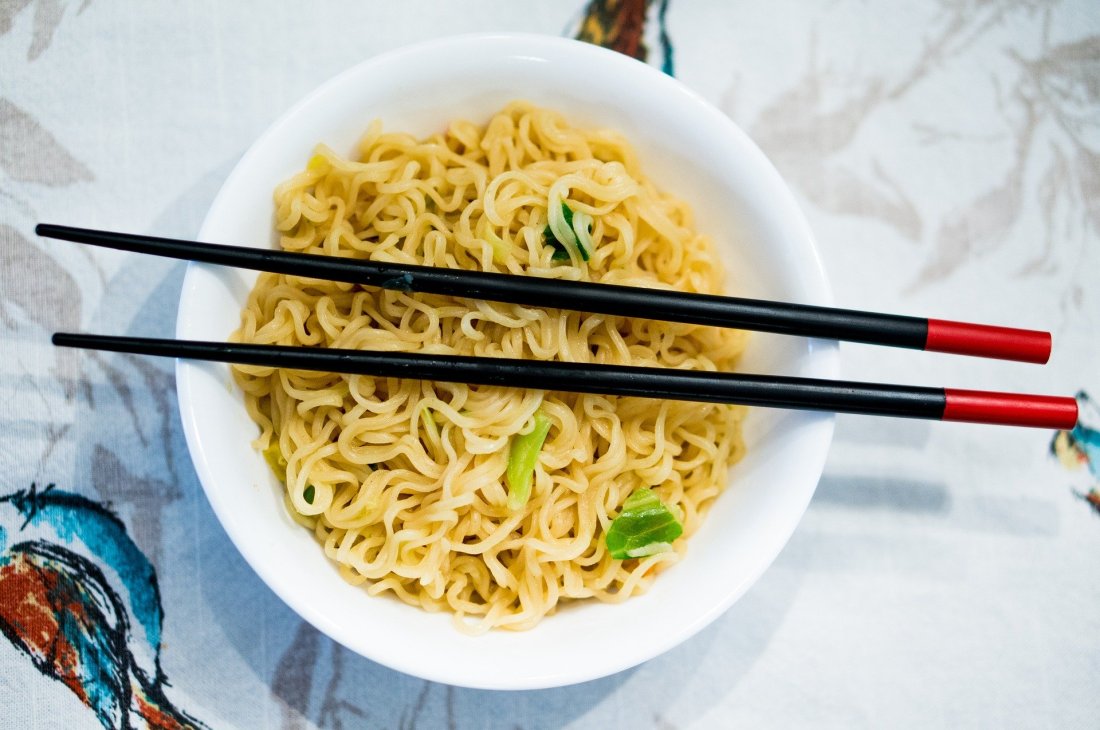
Perhaps, young Matsuo and a few friends are having a traditional fare, eating a steaming hot bowl of noodles called Toshi koshi soba (年越し蕎麦), literally, the New Year’s Eve noodle. A traditional fare usually accompanied by generous helpings of Saki.
Because Spring in 1663 started on the 29th of the new year, and not the 30th or the 1st day, Basho wrote this amusing conundrum. Amusing to the diners. For buried within the haiku are the rhyming words “koshi toshi,” a play on the name of the dish, Toshi koshi soba.
Noodles — because last year’s hardships are easily broken up, and worries are swallowed and washed away with Saki.
Matsuo Kinsaku inspired
All poets copy, the great ones are inspired.
This is thought to be Matsuo Basho’s earliest dated haiku, referring to 1662-1663, the 29th day of the lunar month before the Lunar New Year.
The inspiration and wording is based on an earlier poem by Ariwara Motokawa (888–953).
if during the old year
spring has come and
one day is left;
should we call it
last year or this year?
年のうちに
春は来にけり
一年を
去年とやいはむ
今年とやいはむ
toshi no uchi ni
haru wa ki ni keri
hitotose o
kozo to ya iwan
kotoshi to ya iwan



 matsuo-basho-haiku