Random thoughts on snow and love, on drinking and driving, on crazy verse.
It’s Snowing! Falling off a buckskin horse (Please, don’t) drink and ride
雪や砂馬より落ちよ酒の酔 yuki ya suna uma yori ochiyo sake no yoi
Matsuo Basho, Oi no Kobumi, Winter 1687-8
yuki (snow) ya (exclamation, emphasis) suna (sand colored, chestnut) uma (horse) yori (than) ochiyo (falling down) sake no yoi (drunk on sake). Suna is sand colored, buckskin is a tan colored horse with a dark mane. One wonders, does it matter?
One wonders if thoughts are truly random. Even snowflakes falling take on a pattern. And thoughts of this and that lead on to other thoughts. Bashō no yōna was thinking of love, of snow, of snow falling down, and how he liked the twinkling Christmas lights all covered in white.
Matsuo Basho wrote about snow. He did not write about love. Why not, does it matter?
Matsuo Basho had many disciples, many friends. Ochi Etsujin 越智越人 was one. Etsujin lived in Nagoya, which was on the way to Ueno in Mie province, Basho’s birthplace. It is said, Etsujin was a handsome lad, and not much else. Perhaps he lived from 1655-1739, but no one knows for certain.
But does it matter?
In the winter of 1687-8, Matsuo journeyed from Edo to Nagoya, to Ueno, to Iga and the Grand Ise shrine, to Nara to Otsu. His friend Etsujin went with him. Basho had Kyoku on his mind and Saiygo. Kyoku (crazy verse) being a kind of humorous or ironic haiku without its strict conventions. Saiygo being a serious minded monk who often traveled and lived alone.
Picture this. It is early morning. The snow is gently falling. Each is riding a horse. Etsujin is on a Chestnut, a horse of sandy color. Etsujin is drunk on the sake they drank the night before and the lack of sleep, falling down.
It’s snowing, Etsujin, better to just ride the horse, Than fall down drunk
雪や . 砂 . 馬より落ちよ酒の酔
Etsujin wrote a haiku about cats in love or is it cats in heat, which has nothing to do with snow.
うらやまし . 思ひ切る時 . 猫の恋 Urayamashi (I am jealous of you) omoi-kiru (making up my mind) toki (time) neko no koi (the cat’s in heat) I am so jealous of you, I’ve made up my mind, it must be time, the cat’s in heat.
Urayamashi could also mean “I wish I were like you.”
I wish I were like you, But then there wouldn’t be two of us, Just one
Now that’s kyoku-crazy.
If there is a lesson in all this, it is this: Be curious and try to laugh.
P.S. This post was written several days ago, but does it matter?
Summer or Autumn? What is your favorite season? Why do deer like autumn? A fawn loses its star-like spots. Its coat switches to the dull brown color allowing it to blend into the winter forest. And the fawn is old enough to be weaned. Mothering is done. The season of love has begun.
Autumn will come, a spouse loves the fading stars on the fawn
秋来ぬと妻恋ふ星や鹿の革 aki kinu to / tsuma kou hoshi ya / shika no kawa
Tanabata, Double Seven
Matsuo is 35 years old, not yet Basho, the weather beaten banana tree, still Tosei, the unripe peach, taking it all in.
In the midst of summer the theaters and cafes in Edo’s lively Nihonbashi District would have emptied and everyone would sit out under the stars and enjoy the festival of Double Seven.
Summer is here. In the Milky Way, the cowherd and the weaver are lighting up the heavens. On the other hand, when autumn comes, on earth, when mothering is done, the deer will make love.
Tanabata is the Japanese celebration of the meeting of the two stars Vega and Altair, which takes place on July 7th, thus the name Tanabata, Double Seven. Zhinü, 織女 is the weaver girl, (the star Vega) and Niulang, 牛郎, the cowherd, (Altair). In Chinese and Japanese mythology they are two lovers who are separated and meet only once a year.
aki kinu to (autumn will come, when autumn comes) / tsuma (wife, spouse) kou (loves) hoshi (stars) ya (emphasis) / shika no kawa (on the fawn)
Memory is fundamentally remembering what once mattered — Be it happy or sad. In some cases it can be a peaceful refuge, in the following cases a unending lonely nightmare.
Saiygo copied this one down from the Emperor Horikawa’s collection of poetry.
Where once we met, The garden fence now lies in ruins. Flowering there, Only wild violets in the grass
mukashi mishi/ imo ga kakine wa/ arenikeri/ tsubana majiri no/ sumire nomi shite
100 Poems in Emperor Horikawa’s Collection, 11th c.
A similar but earlier poem by the poet Sōjō Henjō 僧正遍照,
The path to my hut is overgrown, and all but disappeared, still I wait, but she no longer cares for me
我やとはみちもなきまてあれにけりつれなき人をまつとせしまに Waga yado wa/ michi mo naki made/ arenikeri/ tsurenaki hito o/ matsu to seshi ma ni
Sōjō Henjō 僧正遍照, Japanese poet, Buddhist priest, 9th c.
The following poem would indicate that Saiygo joined in the conversation about long parted lovers.
through parted clouds the discerning moonlight didn’t visit — from the sky it did not appear anybody was waiting?
松風の 落葉か水の音 涼し matsukaze no ochiba ka mizu no oto suzushi
The wind in the pines And falling leaves Cool is the sound of water
Like the wind that sighs in the pines Like the leaves that rustle and fall Refreshing is the sound of the waves
Autumn, 1684, in the hills above Suma Bay near Kobe, overhearing the waves on the beach
Utagawa Hiroshige (1797-1858) – Suma Beach at Night
Autumn 1684
In the autumn of 1684, Matsuo Basho begins a western journey that will give rise to his first travel journal,Nozarashi kiko, Journal of Bleached Bones in a Field. The trip took him from Edo to Mount Fuji, to Kyoto, where he had studied as a young man, and finally to Ueno, his mother’s grave and home.
With a simple walking stick and a backpack containing pen and paper, he set off, traveling on average 20 miles a day, resting underneath a shady willow beside a stream when he wanted, sleeping amid the flowers when alone, lingering awhile when he encountered friends.
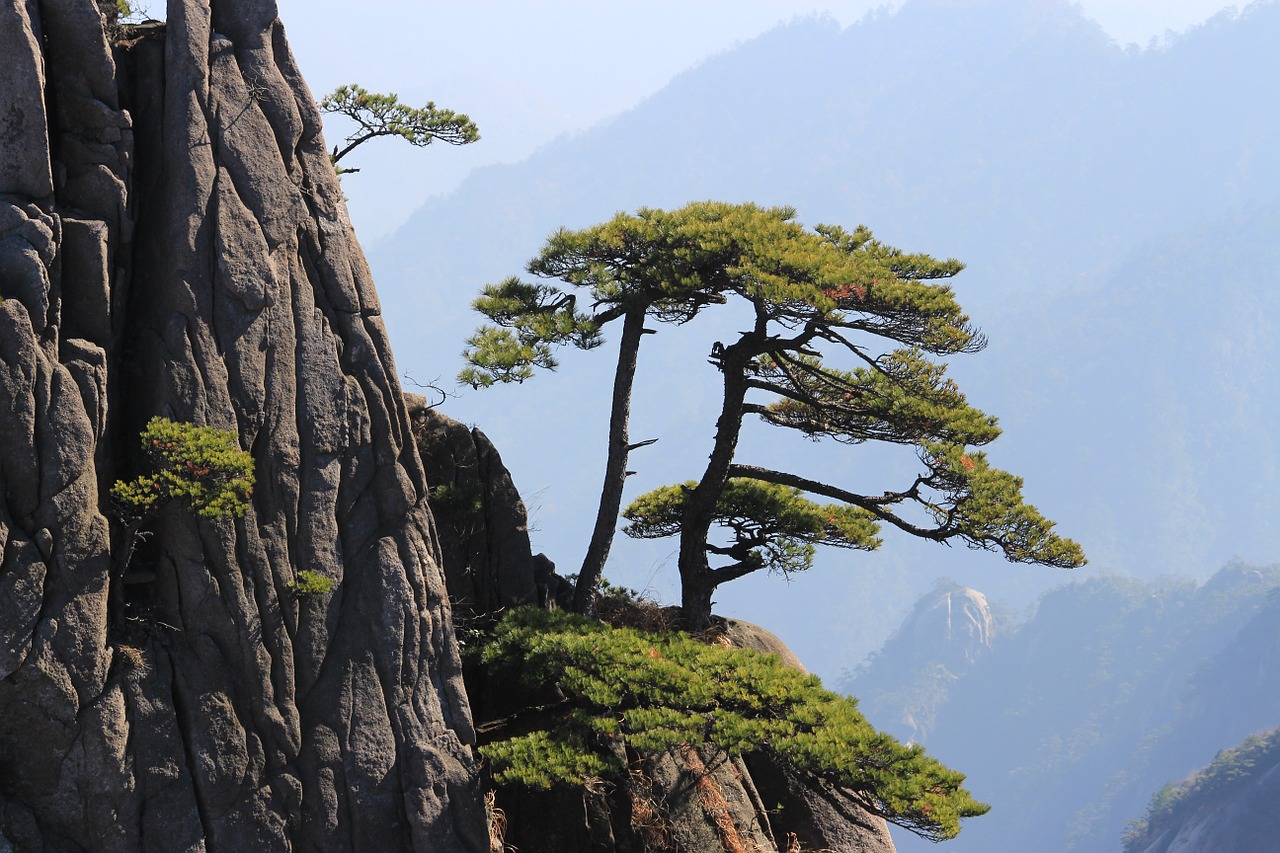
Passing Osaka and Kobe, Basho descends from the hills that surround Suma Bay. A cool wind stirs in the pine trees, the white sandy beach stretch out before him. It is fall and so the red and yellow leaves of the deciduous trees rustle and begin to fall. All along Osaka Bay, the waves gently lap the shore. Even after his day’s journey, Basho feels refreshed.
Matsukaze
Matsukaze (Pining Wind, Wind in the Pines) is a well-known Noh play by by Kan’ami, revised by Zeami Motokiyo. Matsukaze and Murasame (Autumn Rain) are two sisters who ladled brine to make salt by the sandy shore of Suma. The story is about long lost love and heartbreak. Love grown cold.
Notes on Translation
I find sonorous, the sounds matsu and mizu; no ochiba and no oto. Suzushi is an example of onomatopoeia, it sounds like it means.
松風, Matsukaze is a combination of 松, matsu, pine, and 風, kaze, wind. Pine may be the noun as in pine tree, or the verb, as in to pine for a long lost lover. Kaze, wind, is probably familiar to those who have heard of kamikaze, divine wind.
落葉, Ochiba, falling leaves place the haiku in autumn, the seasonal word.
水, Mizu, is water; 涼し, suzushi, cool, refreshing. In this case, Basho meant the sound of the waves at Suma Bay.





 matsuo-basho-haiku