New Year, Second Day

正月が二日有ても皺手哉
shôgatsu ga futsuka arite mo shiwade kana

New Year, Second Day,
but already
wrinkled hands

First Month, Second Day
but already
wrinkled hands

I suppose that the first thing a child notices about an aging mother, before the gray hair, are the veins and wrinkles that appear on a mother’s careworn hands.

Kobayashi Issa

Japanese poet Kobayashi Issa (1763 – 1828) offers up this guest haiku. Basho would not object, ther is much to learn from others.

The pen name, Issa (一茶), means “cup of tea” which summarizes the subject matter of Issa’s poems — things to his liking, simple things to be enjoyed, something to think over. Issa gives no date for his poem, but we can guess that he was already advanced in years, if not in his understanding of life’s short lease.

There are perhaps two comments worth making. First, that 正月, shôgatsu in Issa’s time meant the first day of spring by the lunar calendar. For that reason, I suppose, if asked, Issa would prefer the literal “First Month, Second Day”.

Second, that Issa’s life was marked by tragedy and sorrow — the death of his first wife and three children, a failed second marriage, and his home burning down. Issa’s response to this was —

In a world of grief and pain
Flowers bloom
Even then

Issa would enter into a third marriage, but Issa died before the birth of his daughter.
Has Spring come? 春や来

春や来     し年や行きけん     小晦日

haru ka koshi     toshi ya yukiken      kotsugomori

Has Spring come,
Is the Old Year gone,
This New Year’s Eve?

Iga region, 1663

noodles

New Year’s Eve, 1662

In the second year of Kanbun, the Shogun is Tokugawa Ietsuna. Matsuo Kinsaku is a servant to the samurai Tōdō Yoshitada (藤堂 良忠). He is not yet 20, and not yet the accomplished poet the world knows as Matsuo Basho.

Looking Back, Looking Forward

New Year’s Eve is a good time to look both ways.

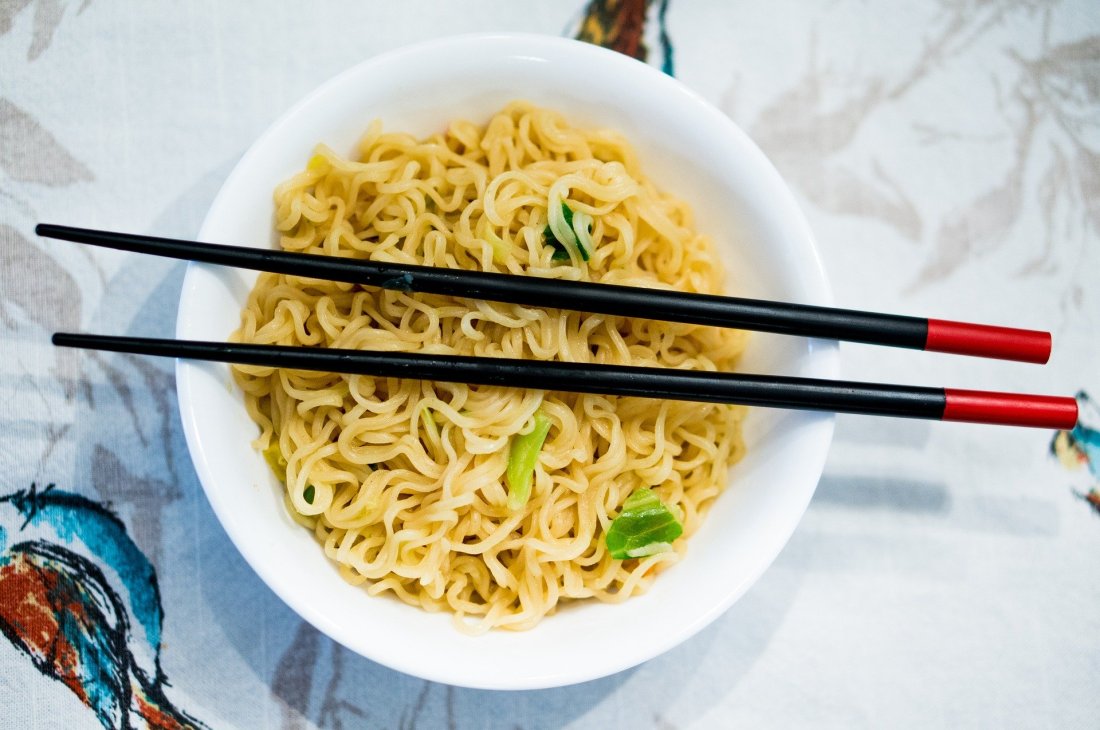
Perhaps, young Matsuo and a few friends are having a traditional fare, eating a steaming hot bowl of noodles called Toshi koshi soba (年越し蕎麦), literally, the New Year’s Eve noodle. A traditional fare usually accompanied by generous helpings of Saki.

Because Spring in 1663 started on the 29th of the new year, and not the 30th or the 1st day, Basho wrote this amusing conundrum. Amusing to the diners. For buried within the haiku are the rhyming words “koshi toshi,” a play on the name of the dish, Toshi koshi soba.

Noodles — because last year’s hardships are easily broken up, and worries are swallowed and washed away with Saki.

Matsuo Kinsaku inspired

All poets copy, the great ones are inspired.

This  is thought to be Matsuo Basho’s earliest dated haiku, referring to 1662-1663, the 29th day of the lunar month before the Lunar New Year.

The inspiration and wording is based on an earlier poem by Ariwara Motokawa (888–953).

if during the old year
spring has come and
one day is left;
should we call it
last year or this year?

年のうちに
春は来にけり
一年を
去年とやいはむ
今年とやいはむ

toshi no uchi ni
haru wa ki ni keri
hitotose o
kozo to ya iwan
kotoshi to ya iwan